 ByAdmin
Microplastics in wild foraged mushrooms Microplastics are an environmental scourge that is pervasive in our oceans and waterways, but humans can be exposed to them through the food they eat. A new study found microplastics on wild-foraged mushrooms, which could expose people who regularly consume foods from the wild to microplastic particles. The h study was published in the journal Science of the Total Environment. Previous research has shown that microplastics are present in sea salt, bottled water and beer, among other products…
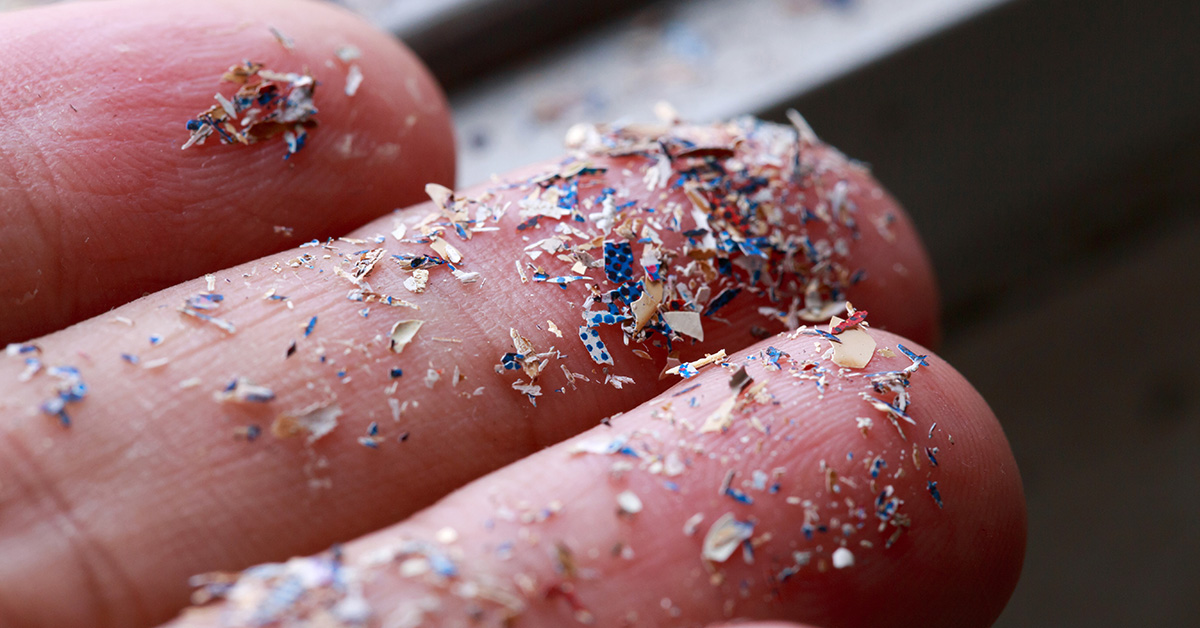
Microplastics are tiny particles of plastic that end up in the environment. They can be found in the environment, in our food and in our bodies.
Microplastics are small enough to be eaten by animals and humans. For example, seabirds can mistake floating microplastic pellets for fish eggs, which they then eat—causing them to die from starvation or intestinal blockage. In addition to eating plastic particles directly, other animals might ingest them when feeding on aquatic plants that h have absorbed microplastic pollution from the surrounding water
Microplastics were discovered on part of the stems of chanterelle mushrooms grown in a forest in Sweden, but the source of the particles is unclear.
Microplastic contamination has been found in many areas, including tap h water and beer. However, that doesn’t mean you need to stop eating wild foraged mushrooms altogether—just take precautions when foraging them yourself
The researchers examined the mushroom stems under a microscope to find the microplastics and to determine their size. They then measured how many pieces of microplastic were present in each mushroom stem: two, four h or six pieces per stem.
A chanterelle mushroom grown in a forest in Sweden had an average of 2.6 pieces per centimeter (0.083 inch) of stem, according to the study, published on Wednesday in Environmental Science and Technology Letters. Some mushrooms contained as many as seven pieces per centimeter of stem—a total of 14 tiny bits of plastic for every inch-long piece that was included in the study, which is about two feet long on average for chanterelles found growing wild in Sweden’s forests.
The fungi that grew on the mushrooms in the lab absorbed polystyrene microplastic particles from its surroundings, which could explain how such plastics ended up in wild-grown mushrooms.
In the lab, the fungi absorbed microplastic particles from its surroundings. This suggests that fungi could transfer microplastics to their host plants, animals and other fungi.Microplastics in wild foraged mushrooms
“We found that several species of wild-growing edible mushrooms had high levels of plastic in them,” said study coauthor James Cole from Cardiff University. “Not every species ate and grew on plastic, but some did.”
This study shows that fungi can transfer microplastics from one organism to another or even pass it on to their offspring by using them as building material for their spores (which are like seeds).Microplastics in wild foraged mushrooms
You cannot copy content of this page