 ByAdmin
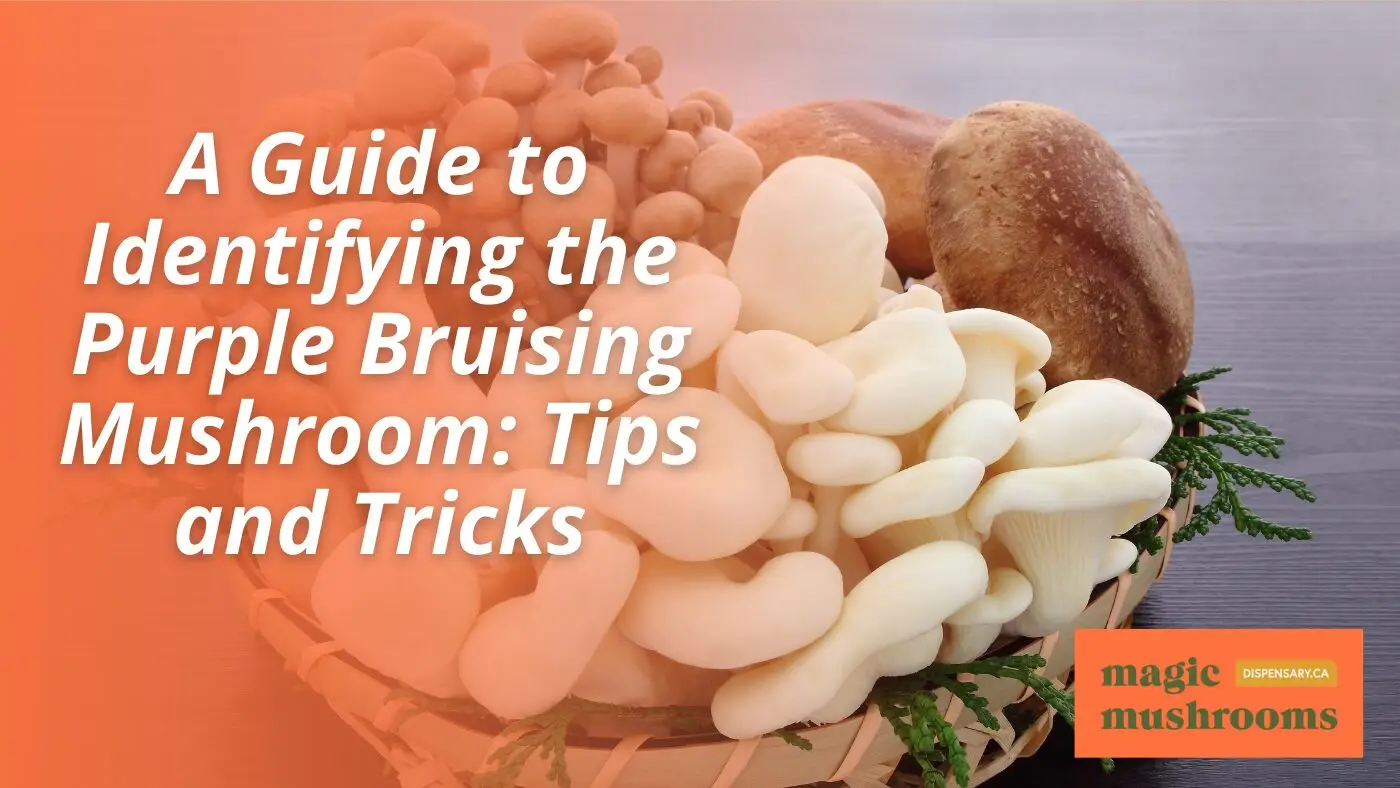
A Guide to Identifying the Purple Bruising Mushroom
The Purple Bruising Mushroom is an intriguing and distinctive type that has garnered the attention of novice and expert mushroom enthusiasts alike. Identifying this fungus requires knowledge of its specific characteristics, natural environment, and chemical makeup. This manual will offer crucial advice and strategies for precisely and securely recognizing the Purple Bruising Mushroom.
The cap of the Purple Bruising Mushroom is typically convex when young, flattening out as it matures. It often exhibits a , which can sometimes appear almost black in certain lighting conditions. depending on the specific environmental conditions in which it grows. Notably, the cap’s coloration can change when bruised, often darkening to a more intense purple or black A Guide to Identifying the Purple Bruising Mushroom
The stem of this mushroom is generally sturdy and can range from white to a light purple shade. It is usually smooth but may develop a fibrous texture as it ages. When handled, the stem bruises easily, turning a distinctive purple color. This bruising is a key identifying feature and can help differentiate it from other species.
The gills of the Purple Bruising Mushroom are closely spaced and can be white to light purple. They are attached to the stem and may darken with age or when bruised. The spore print of this mushroom is typically dark purple, a crucial characteristic for identification. If the spore print shows orange or rusty brown colors, it is likely not a Purple Bruising Mushroom.
The Purple Bruising Mushroom thrives in a variety of environments. often growing on the ground rather than on trees. This species prefers damp and warm climates, making it prevalent in regions with high humidity. The mushroom feeds on rotting organic materials and wood, which provides the necessary nutrients for its growth.
This mushroom is predominantly found along the West Coast of the United States. However, it is also native to subtropical and tropical regions of Central and South America. Over time, it has been widely cultivated and can now be found in various parts of the world. Its adaptability hto different climates has contributed to its widespread distribution.
The Purple Bruising Mushroom typically fruits during the late summer and autumn seasons. In some regions, it can also be found in the spring, depending on the local climate conditions. The timing of its fruiting is influenced by the availability of moisture and temperature, which are crucial for its development.
Understanding the habitat and distribution of the Purple Bruising Mushroom is essential for foragers and researchers alike. Knowing where and when to find this species can greatly enhance the chances of successful identification and study.
The Purple Bruising Mushroom contains several active compounds that contribute to its psychoactive effects. The primary compounds are psilocybin and psilocin, which are well-known for altering perception and mood. In addition, other compounds, such as biocytin and aeruginascin, may also play a role in the mushroom’s overall effects.
The potency of the Purple Bruising Mushroom can vary significantly between individual specimens. Factors such as growing conditions, age, and even the specific strain can influence the concentration of active compounds. E making it essential to understand the particular characteristics of the mushroom you are studying or consuming.
Various methods of analysis are employed to determine these mushrooms’ chemical composition and potency accurately. These include chromatographic techniques that can separate and identify the compounds present. Microscopic examination can also provide insights into the structure and concentration of the active ingredients.
You cannot copy content of this page