 ByAdmin
Essential Advice for Taking Shrooms While the responsible use of psychedelics can lead to transformative experiences, it is equally essential to be aware of the potential risks and side effects associated with the consumption of shrooms. These risks can range from immediate physical discomfort to long-term mental health issues.
One notable risk is the potential for dangerous behavior. This can occur during the psychedelic experience, where altered perception and impaired judgment may lead to unsafe actions. Physically, shrooms can cause nausea, increased heart rate, and changes in blood pressure. While these effects are usually temporary, they can be distressing and potentially harmful to those with pre-existing health conditions.
Fear and anxiety are common side effects, particularly during a first-time experience or if h the individual is in an unfamiliar or uncomfortable environment. This can escalate to paranoia and intensely negative emotional experiences, often referred to as a ‘bad trip.’
For some, the ingestion of shrooms can lead to more serious mental health issues. Those with a history of psychiatric disorders, particularly psychosis, may experience worsening of their symptoms. Additionally, there’s a risk of hallucinogen-persisting perception disorder (HPPD), a condition where visual disturbances and hallucinations continue long after the ingestion of the drug.
Interactions with other substances or medications can also present risks. It’s essential to be knowledgeable about potential interactions and consult with healthcare providers as necessary. An often-overlooked risk is the accidental ingestion of poisonous mushroom varieties, stressing the importance of sourcing from reliable suppliers.
Being aware of these risks and taking precautions can significantly enhance the safety and positive outcomes of your shroom experience.Essential Advice for Taking Shrooms
Understanding the complex landscape of psilocybin legality, it is essential to note that in many jurisdictions, including most parts of the United States, the possession, sale, and cultivation of psychedelic mushrooms remain illegal. Individuals who contravene these laws may face serious consequences, including fines, probation, or imprisonment. Hence, individuals must know the legal implications of shroom use.
Despite the widespread illegality, the legal status of psilocybin mushrooms varies by jurisdiction. Some countries have h/ decriminalized or even legalized psilocybin for medical or therapeutic use, recognizing the potential benefits this substance may offer. Nevertheless, even in these regions, its use is often tightly regulated and requires adherence to specific guidelines and restrictions.
In recent years, there has been a growing movement towards the legalization of psilocybin, with advocates citing its potential therapeutic benefits. Despite this, it remains a Schedule I substance under federal law in the United States, indicating it has a high potential for abuse and no accepted medical use.
Hence, it is imperative for those considering shrooms to familiarize themselves with the legal context in their locale. Understanding local laws and regulations regarding psilocybin is not merely a suggestion but a necessity to prevent potential legal complications. Safe and enlightening experiences with shrooms are only possible within the confines of the law. Therefore, a complete understanding of the legal implications of shroom use is fundamental for those interested in exploring the psychedelic world.
When traversing through the complex world of psychedelic mushrooms, one must also confront and debunk prevalent myths and misconceptions that often cloud public perception. These misconceptions can lead to unnecessary fear, misuse, and misunderstanding of this potent natural resource, distorting its potential and benefits.
One common myth is that magic mushrooms cause permanent brain damage. This is untrue. Current research indicates no evidence of long-term cognitive impairment. They can promote neurogenesis and the growth of new brain cells and potentially help combat mental health disorders, including and PTSD.
The belief that psychedelic mushrooms can lead to addiction is another misconception. In reality, they do not cause physical dependency like addictive substances such as alcohol or opioids. Some studies suggest they may assist in addiction recovery.
Many people fear that all shroom trips are intense and overwhelming. While these experiences can be powerful, they are greatly influenced by dosage, mindset, and environment. A responsible user can manage these factors to ensure a safer, more controlled experience.
The misconception that magic mushrooms are universally dangerous and illegal is also widespread. Contrary to this belief, they can provide therapeutic benefits when used responsibly. Additionally, the legality of psychedelic mushrooms varies globally, with some regions decriminalizing or even legalizing their use for therapeutic purposes.
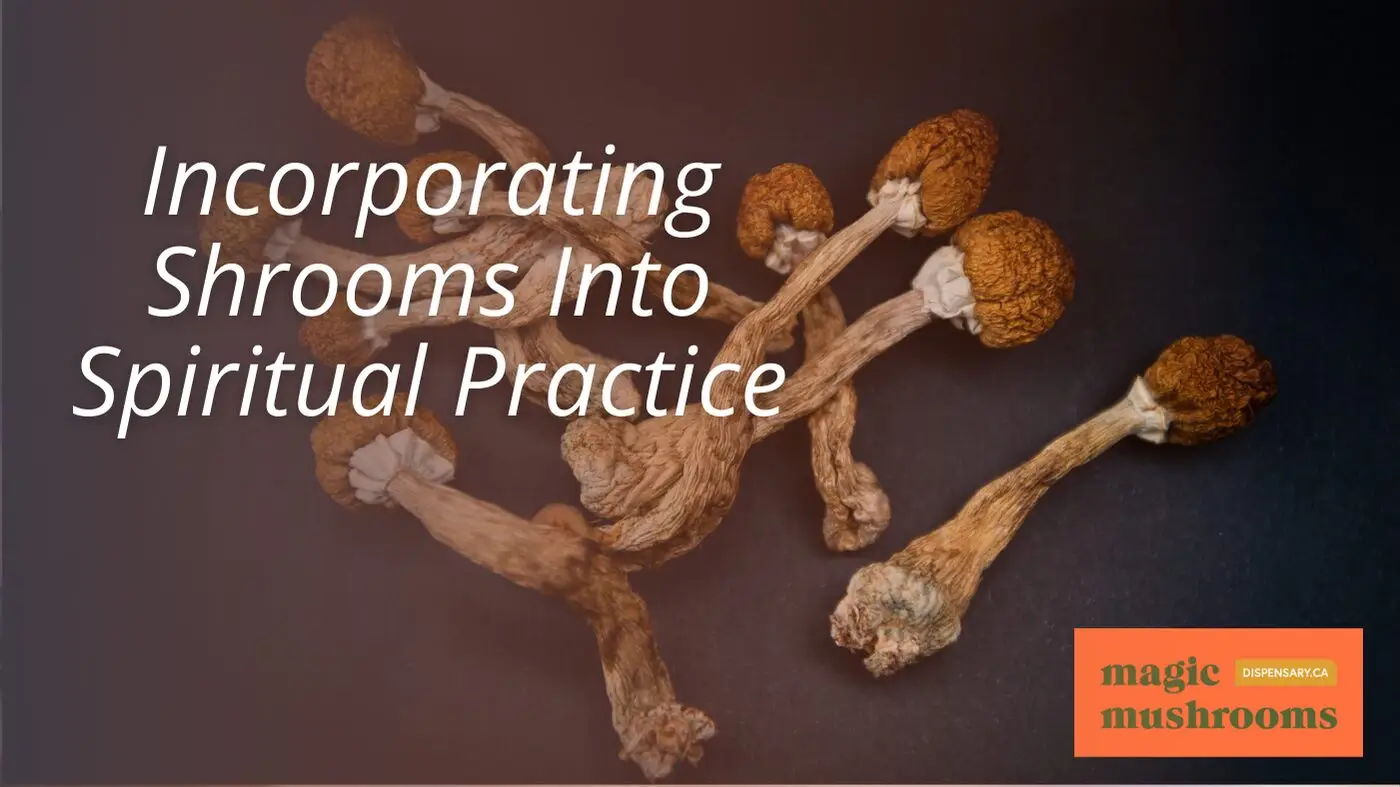
Having debunked common misconceptions about shrooms, exploring their role in spiritual practice, a domain where they have been utilized for centuries to promote mindfulness, introspection, and a deeper connection with the universe, is worthwhile. When incorporated mindfully into spiritual routines, shrooms can catalyze profound experiences that lead to self-discovery and personal growth.
Psilocybin, the active compound in shrooms, has been recognized for its capacity to induce spiritual experiences. Consuming in a controlled and comfortable environment can shift consciousness, offering glimpses into worlds beyond ordinary perception. Users often report increased introspection, heightened sensitivity to their surroundings, and a sense of interconnectedness with nature and the universe. These experiences can provide invaluable insights and a new perspective on life, aiding in personal evolution.
Incorporating shrooms into spiritual rituals can further enhance their transformative potential. When used in a ceremonial context, under the guidance of experienced practitioners, the journey can become a sacred exploration of the self and the cosmos. Shrooms can facilitate a deep sense of oneness and communion with the world, fostering a profound spiritual awakening.
However, it is critical to approach this with caution. Start with low doses to assess your tolerance and avoid mixing shrooms with other substances. Secure your supply from reliable sources to ensure you’re consuming safe varieties. Maintaining a positive mindset before, during, and after the experience can significantly influence the outcome and depth of your spiritual journey.
You cannot copy content of this page