 ByAdmin
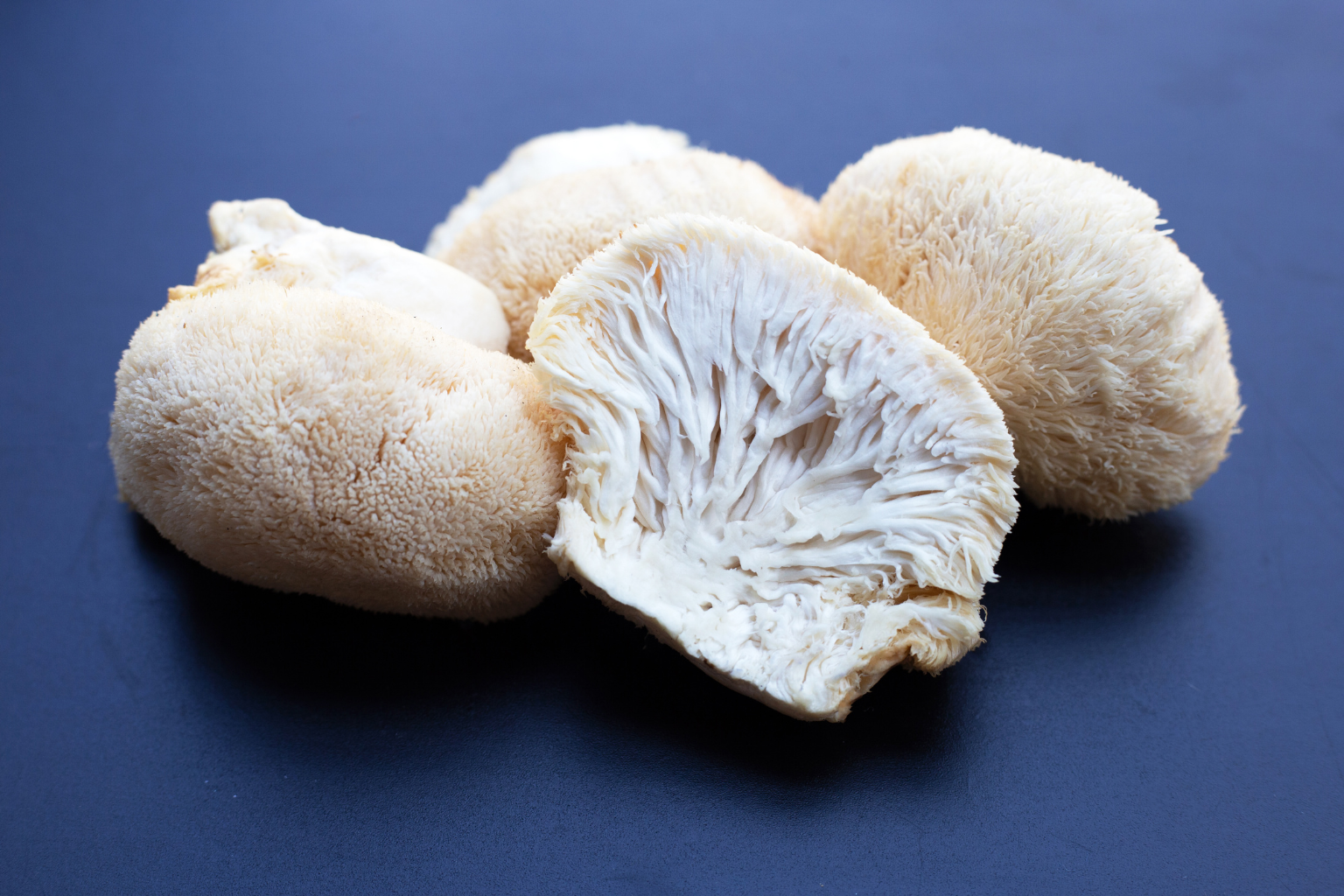
Lion’s Mane Extract Reduced Alzheimer’s Symptoms In Mice There is no shortage of Lion’s Mane hype. Most of it centres on hericenones and erinacines, the compounds that stimulate nerve growth factor and have earned the mushroom its reputation as a brain health supplement. But a study just published in Frontiers in Nutrition points toward a different active compound in Hericium erinaceus – one that has been accumulating serious research attention across the broader longevity and brain health literature.
The team started by testing 29 different strains of Lion’s Mane mushroom, looking for whichever one naturally https://hausofutopia.online/ produced the most ergothioneine (EGT) – a powerful antioxidant that most mushrooms make insmall quantities. One strain, HE-17, won out.Then they got to work optimising. By tweaking things like humidity, fermentation time, and the nutrients the mushroom was grown on, they pushed EGT production as high as they could. https://mushies.co.uk/ at the same amount as the low dose. Then they tested the mice on memory and examined their brains.
Healthy https://thesporereport.com/ mice learn where it is and navigate straight to it. Mice with Alzheimer’s-like disease circle aimlessly, spending less time in the right area and crossing the platform location less often.The untreated Alzheimer’s mice behaved exactly as expected – scattered, unfocused, spending less time near where the platform had been. The mice that received the Lion’s Mane extract showed clear improvement, spending more time in the right zone and crossing the platform more frequently. Untreated That suggests other compounds in Lion’s Mane are pulling their weight too, not just the ergothioneine.
Alzheimer’s is often described as a memory disease, but at the cellular level it’s characterized by slow, chronic in the brain over years or decades. The researchers measured three proteins the immune system Here’s where it gets interesting. Most antioxidants you eat drift passively through the body and distribute fairly randomly. EGT is different. Your body has a dedicated transporter (called OCTN1) that actively pulls EGT out of the bloodstream and concentrates it in tissues that are under the most oxidative stress. The brain happens to be one of the places OCTN1 is most abundant. So EGT accumulates exactly where the damage is happening, and once there, it neutralises the reactive molecules driving that damage.